← Nazaj na blog ← Back to the blog
Stalne stranke

Kako opaziti stranke, ki bodo kmalu odšle, preden jih izgubite
18. September 2026

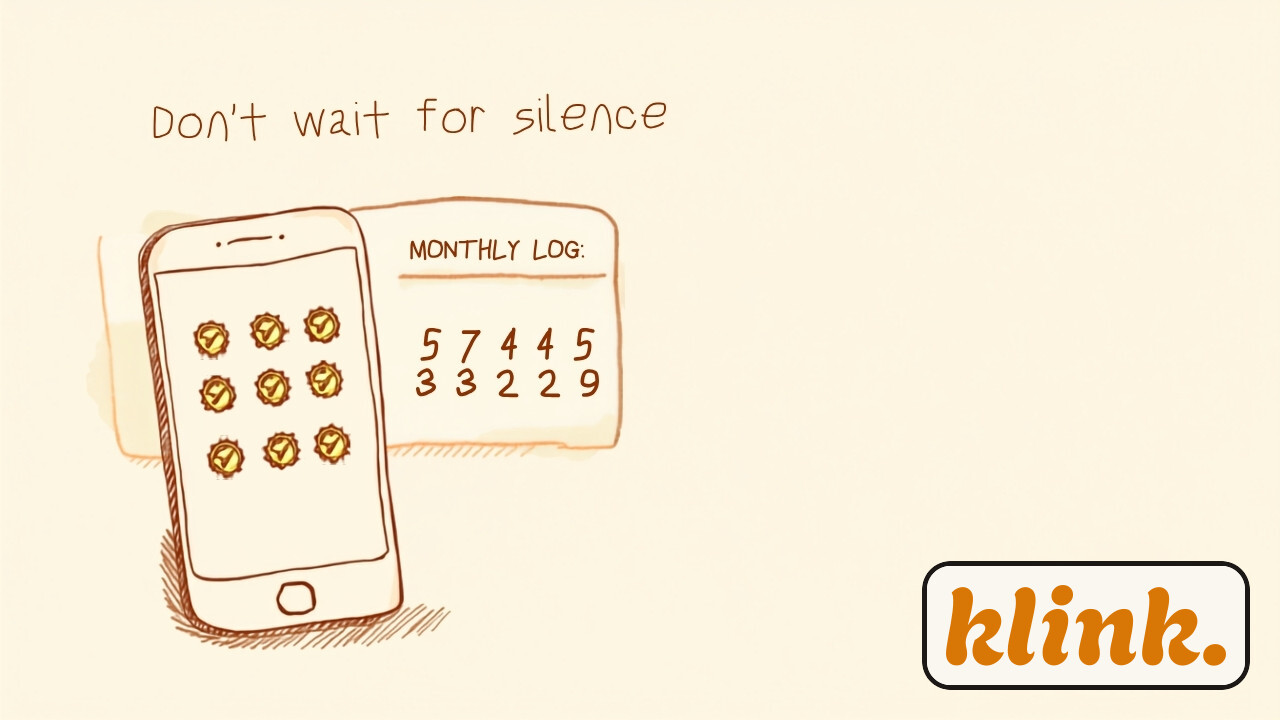
Kartica zvestobe na telefonu obtiči pri šestih od desetih pečatov, medtem ko koledar v ozadju kaže tedne brez novega obiska, v topli jantarni in kremni barvi.

Stranka, ki vas bo zapustila, skoraj nikoli ne pride povedat, da odhaja. Ne pritoži se, ne zahteva vračila denarja, ne pošlje jeznega sporočila. Preprosto neha prihajati. En teden postane dva, dva postaneta mesec, mesec postane "koga sploh še poznam iz stare stalne druščine?" — in dokler nekdo tega ne opazi, je stranka že zdavnaj pri konkurenci.

Dobra novica je, da preden stranka povsem izgine, skoraj vedno pusti sled. Ne v obliki besed, ampak v obliki vzorca: kako pogosto pride, kje na kartici obtiči, kako se odziva na vaša sporočila. S papirnatim kartončkom tega vzorca nikoli ne bi videli. S kartico v denarnici pa je zapisan — treba ga je le pogledati, preden je prepozno.

Trije zgodnji znaki, ne šele zadnji

Lastniki pogosto čakajo na en sam, očiten signal: "stranke ni bilo tri mesece." Do takrat je pogovor že skoraj nemogoč — stranka se komaj še spomni, zakaj je sploh nehala prihajati. Bolj koristno je gledati tri manjše, zgodnejše znake, ki se pojavijo veliko prej.

1

Razmik med obiski se podaljšuje

Stranka, ki je prihajala vsak teden, zdaj prihaja vsake dva tedna. Nihče še ne bi rekel, da je "izginila" — a to je prvi in najzanesljivejši znak, da se nekaj spreminja. V nadzorni plošči klink. to pomeni: pogledati zadnji obisk glede na njeno običajno ritmiko, ne glede na splošno povprečje vseh strank.

2

Kartica obtiči tik pred nagrado

Stranka ima šest od desetih pečatov že mesec ali dva, brez premika naprej. To ni znak varčevanja za pozneje — je znak, da je nehala misliti na vas. Aktivno zvesta stranka nagrado unovči; tista, ki je psihično že odšla, pusti kartico, kakršna je.

3

Sporočila ostanejo neopažena

Če pošljete obvestilo o akciji ali novi ponudbi in ga stranka, ki je prej redno prihajala po njem, tokrat ne obišče, je to tretji znak. Eno samo prezrto sporočilo ni dokaz ničesar — a v kombinaciji s podaljšanim razmikom med obiski postane jasen vzorec.

Nobeden od teh treh znakov posamezno ne pomeni, da je stranka izgubljena. Skupaj pa povedo natanko to, kar bi radi vedeli tri tedne prej, ne tri mesece prepozno.

Vzemimo frizerski salon: stranka je leto dni prihajala vsakih pet do šest tednov, natanko toliko, kolikor traja, da barva "zraste ven". Nato en obisk zamudi za dva tedna, drugič za tri. Nihče tega ne pokliče "odhoda" — vsak posamezen zamik ima lahko povsem nedolžen razlog, dopust, drugačen urnik, malenkost. A ko se razmik trikrat zapored podaljša, to ni več naključje, ampak trend. V tem trenutku je še vedno lahko preprost, prijazen SMS ali obvestilo dovolj, da stranka pomisli nazaj na vas, namesto da si poišče novega frizerja iz navade.

Stranke, ki jih boste izgubili, so redko tiste, ki se pritožijo. So tiste, ki jih nihče ne opazi — dokler ne postane prepozno, da bi jih poklicali nazaj.

Zakaj to pri papirju sploh ni mogoče

S papirnatim kartončkom teh vzorcev fizično ni mogoče videti. Kartonček živi v denarnici stranke, ne pri vas, in vam ne pove ničesar, dokler ga stranka sama ne prinese nazaj — kar je ravno tisto, česar oseba, ki je na poti, da vas zapusti, ne bo storila. Digitalna kartica zvestobe obrne to razmerje: vsak pečat in vsak obisk se zabeleži pri vas, ne le pri njej, zato lahko vzorec vidite, še preden ga stranka sama zave.

Pri klink. se vsak obisk, vsak pečat in vsaka odprta ali prezrta akcija zapiše v vašo nadzorno ploščo, povezano s telefonsko številko stranke. Ni vam treba ročno primerjati datumov v beležki — sistem sam pokaže, kdo od stalnih strank v zadnjem času izstopa iz svoje običajne ritmike.

Kaj storiti, ko opazite znak

Ko opazite enega od teh treh znakov, ni treba takoj poslati velike akcije s popustom. Pogosto zadostuje kratko, osebno sporočilo — "pogrešamo vas" ali preprosto opomnik, da je do nagrade še le en pečat. Namen ni prepričati stranko z akcijo, ampak jo spomniti, da ste še tam, preden se odločitev, da ne pride več, povsem utrdi. Za to, kako naj taka sporočila izgledajo in kako pogosta naj bodo, je koristno prebrati tudi naslednji članek.

Sorodno branje: win-back kampanje, ki stranke dejansko pripeljejo nazaj in kako pogosto lahko strankam pošiljate sporočila, ne da bi jih izgubili.

Če želite videti, kdo od vaših stalnih strank v zadnjem času izstopa iz svojega običajnega ritma, preizkusite klink. brezplačno 14 dni in dobite nadzorno ploščo, ki opazi znake prej kot vi — brez kreditne kartice.

Repeat customers

Spotting customers about to lapse before you lose them

September 18, 2026

A phone loyalty card stalls at six of ten stamps while a calendar behind it shows weeks passing with no new visit, in warm amber and cream tones.

The customer who's about to leave almost never tells you they're leaving. They don't complain, they don't ask for a refund, they don't send an annoyed message. They just quietly stop coming in. One week becomes two, two become a month, a month becomes "wait, whatever happened to her?" — and by the time anyone notices, she's already a regular somewhere else.

The good news is that before a customer disappears for good, they almost always leave a trace. Not in words, but in a pattern: how often they come in, where they stall on their card, how they respond to what you send them. A paper card would never have shown you that pattern. A wallet card writes it down — you just have to know where to look, before it's too late.

Three early signs, not just the last one

Owners often wait for one loud, unmistakable signal: "she hasn't been in for three months." By then the conversation is almost impossible — the customer barely remembers why she stopped coming in the first place. It's far more useful to watch for three smaller signs that show up much earlier.

1

The gap between visits is stretching out

A customer who used to come in weekly is now coming in every two weeks. Nobody would call that "gone" yet — but it's the first and most reliable sign that something is shifting. In the klink. dashboard, that means checking a customer's last visit against their own usual rhythm, not against some average across everyone.

2

The card stalls right before the reward

A customer has had six of ten stamps for a month or two, with no movement. That's not a sign of saving up for later — it's a sign they've stopped thinking about you. An actively loyal customer redeems the reward; one who's already checked out mentally just leaves the card as it is.

3

Messages go unnoticed

If you send a push about a promotion or a new offer, and a customer who used to show up for exactly that kind of thing doesn't this time, that's the third sign. One ignored message proves nothing on its own — but paired with a stretching visit gap, it becomes a clear pattern.

None of these three signs on its own means a customer is lost. Together, they tell you exactly what you'd want to know three weeks early, instead of three months too late.

Take a hair salon: a customer had been coming in every five to six weeks for a year, exactly as long as it takes for a colour to grow out. Then one visit slips by two weeks, then a next one by three. Nobody would call that "leaving" — each single delay could have an entirely innocent reason: a holiday, a different schedule, something small. But once the gap stretches three times in a row, it's no longer a coincidence, it's a trend. At that point, a simple, friendly text or a push notification is often still enough to bring her back to mind, instead of her finding a new stylist out of habit.

The customers you're about to lose are rarely the ones who complain. They're the ones nobody notices — until it's too late to call them back.

Why paper never let you see this

With a paper card, these patterns are physically invisible. The card lives in the customer's wallet, not with you, and it tells you nothing until she brings it back herself — which is exactly what someone on their way out won't do. A digital loyalty card flips that relationship: every stamp and every visit gets recorded on your side too, so you can see the pattern before the customer is even aware of it herself.

With klink., every visit, every stamp, and every campaign that gets opened or ignored is logged in your dashboard, tied to the customer's phone number. You don't have to manually compare dates in a notebook — the system surfaces which regulars have recently drifted from their usual rhythm.

What to do once you spot a sign

When you notice one of these three signs, you don't need to launch a big discount campaign right away. Often a short, personal message is enough — "we miss you," or a simple reminder that they're just one stamp from their reward. The goal isn't to win them back with an offer; it's to remind them you're still there, before the decision to stop coming in fully sets in. For how those messages should look and how often to send them, the next article is worth a read.

Related reading: win-back campaigns that actually bring customers back and how often to message loyal customers without losing them.

If you'd like to see which of your regulars have recently drifted from their usual rhythm, try klink. free for 14 days and get a dashboard that spots the signs before you do — no credit card required.