← Nazaj na blog ← Back to the blog
Stalne stranke

Rojstnodnevne nagrade, zaradi katerih se stranke počutijo zapomnjene
4. September 2026

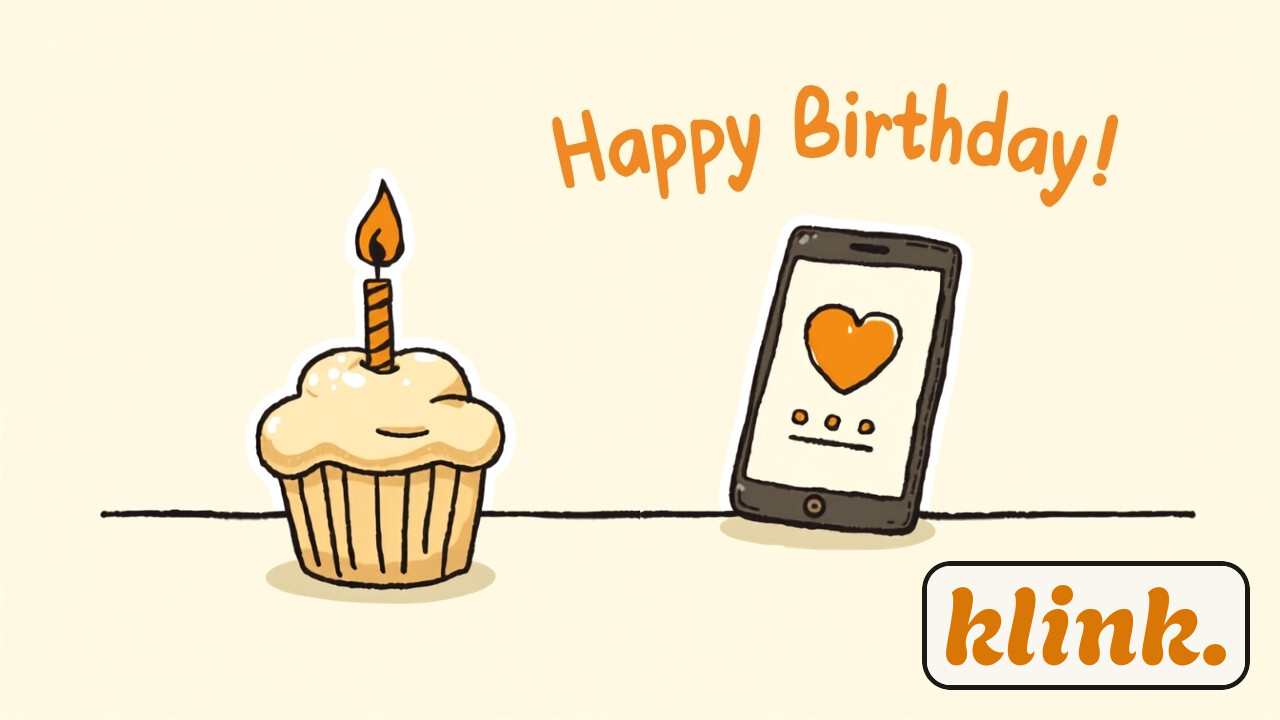
Topla rojstnodnevna torta s prižgano svečko na pultu kavarne, poleg nje telefon s kartico zvestobe v Apple denarnici, v jantarni in kremni barvi.

Od vseh sporočil, ki jih lahko pošljete stranki, je eno tako, da ga skoraj nihče ne utiša: čestitka za rojstni dan. Ne zato, ker bi bila posebej pametno napisana, ampak zato, ker pove nekaj, kar ostala sporočila ne morejo — da se je nekdo spomnil datuma, ki ga stranka sama komaj čaka. Za razliku od »20 % popust ta konec tedna«, ki ga stranka bere kot oglas, rojstnodnevno sporočilo bere kot pozornost.

To razliko je vredno razumeti, preden se lotite postavljanja rojstnodnevnih nagrad, ker določa vse ostalo: kdaj sporočilo poslati, kaj ponuditi in zakaj mora biti ravno prav majhno.

Zakaj rojstni dan deluje drugače kot popust

Vsako drugo sporočilo, ki ga pošljete — nova ponudba, sezonski izdelek, opomnik na obisk — je namenjeno vsem hkrati. Stranka to ve, in prav zato ga bere kot marketing. Rojstnodnevno sporočilo je nasprotje: gre samo njej, samo enkrat na leto, ob dnevu, ki ji nekaj pomeni. Ni pomembno, ali kavarno obišče enkrat na teden ali enkrat na mesec — na svoj rojstni dan pričakuje, da jo bo nekdo opazil, ne glede na to, kako pogosto pride.

Zato rojstnodnevna nagrada ne tekmuje z drugimi popusti za pozornost. Stranka je ne primerja s ponudbo konkurence, ker je sploh ne dojema kot ponudbo — dojema jo kot gesto. Frizerski salon, ki pošlje brezplačno nego las ob rojstnem dnevu, ne prodaja storitve; sporoča, da stranko pozna in si jo zapomni tudi zunaj termina.

Rojstnodnevno sporočilo ni popust, ki ga stranka primerja s konkurenco. Je edino sporočilo v letu, za katerega ve, da je bilo napisano zanjo.

Majhna nagrada, ne velika

Skušnjava je, da bi bila rojstnodnevna nagrada velikodušna — navsezadnje gre za poseben dan. Toda prevelika nagrada ima nasprotni učinek od želenega: deluje kot razprodaja, ne kot pozornost, in podre maržo pri vsaki stranki, ki ima rojstni dan tisti mesec. Majhna, osebna gesta deluje bolje kot velik popust. Pekarna lahko doda brezplačen kos peciva ob nakupu, kavarna manjšo kavo zraven, frizerski salon pa kratko nego ob rednem terminu. Nagrada naj bo dovolj otipljiva, da jo stranka opazi, in dovolj majhna, da jo lahko ponudite vsem, ne da bi razmišljali o stroških.

Pomembnejše od velikosti nagrade je, kdaj in kako pride. Sporočilo, ki pride na sam dan ali kakšen dan prej, ko je stranka morda že zasedena drugje, zgreši priložnost. Boljša rešitev je ponuditi nagrado za cel teden ali cel mesec okoli rojstnega dneva — tako stranka sama izbere trenutek, ko bo prišla po njo, namesto da zamudi eno samo priložnost.

Teden prej

Kratko sporočilo, da nagrada čaka. Brez pritiska, le napoved, da si stranko zapomnili.

Rojstni dan

Nagrada je aktivna in vidna na kartici v denarnici — stranka jo lahko unovči, ko sama pride mimo.

Do konca meseca

Nagrada ostane veljavna še nekaj tednov, tako da zamujen dan ne pomeni izgubljene priložnosti.

Zakaj papir tega ne zmore

Rojstnodnevna nagrada je enostavna ideja, ki jo je na papirju skoraj nemogoče izvesti dosledno. Kartonček ne pozna datuma rojstva stranke, zato mora nekdo za pultom ročno voditi seznam — kar se pri majhnem lokalu z desetinami ali stotinami strank hitro razblini. Nekomu čestitate, drugega pozabite, tretjega opazite tri tedne prepozno. Namesto pozornosti stranka dobi neenakomerno izkušnjo, kar je slabše, kot če je sploh ne bi ponudili.

Pri klink. stranka datum rojstva vpiše enkrat, ob vpisu v kartico zvestobe. Sistem nato sam pošlje rojstnodnevno nagrado ob pravem času vsaki stranki posebej, brez da bi vi vodili tabelo ali se spomnili datumov. Nagrada se prikaže neposredno na kartici v Apple ali Google denarnici, stranka pa jo vidi takrat, ko odpre telefon — brez dodatne aplikacije. Za vas to pomeni eno samodejno sporočilo, ki teče v ozadju in dosledno doseže vsako stranko, ne le tiste, ki jih slučajno zapomnite.

Kaj če stranka ne želi deliti datuma rojstva?
Vpis datuma je vedno prostovoljen. Stranka, ki ga ne vpiše, preprosto ne prejme rojstnodnevne nagrade, ostale prednosti kartice pa ostanejo nespremenjene — nič ji ne manjka.
Ali rojstnodnevna nagrada nadomesti redne žige?
Ne. Rojstnodnevna nagrada je dodatek ob strani, ne del glavne kartice z žigi. Stranka jo prejme in unovči neodvisno od tega, koliko žigov že ima.

Rojstnodnevna nagrada ni trik za povečanje prometa; je najbolj oseben trenutek, ki ga lokal lahko ponudi stranki, ne da bi vprašal ničesar v zameno. Prav zato jo stranke pomnijo dlje kot marsikatero drugo akcijo.

Sorodno branje: Nagrade ob mejnikih, ki stranke obdržijo in Kako pogosto lahko strankam pošiljate sporočila.

Če želite stalnim strankam pošiljati prava sporočila naravnost na kartico v njihovi denarnici, preizkusite klink. brezplačno 14 dni in postavite svojo prvo digitalno kartico zvestobe — brez kreditne kartice.

Repeat customers

Birthday rewards that make customers feel remembered

September 4, 2026

A warm birthday cake with a lit candle on a café counter beside a phone showing a loyalty card in Apple Wallet, in amber and cream tones.

Of every message you could send a customer, there's one that almost nobody mutes: a birthday message. Not because it's cleverly written, but because it says something no other message can — that someone remembered a date the customer is quietly looking forward to themselves. Unlike "20% off this weekend," which a customer reads as an ad, a birthday message reads as being noticed.

That distinction is worth understanding before you set up a birthday reward, because it shapes everything else: when to send it, what to offer, and why it needs to stay small on purpose.

Why a birthday works differently than a discount

Every other message you send — a new offer, a seasonal item, a nudge to visit — goes out to everyone at once. The customer knows that, and reads it as marketing because of it. A birthday message is the opposite: it's just for them, just once a year, on a day that means something to them personally. It doesn't matter whether they visit your café weekly or once a month — on their birthday, they expect to be noticed regardless of how often they come in.

That's why a birthday reward isn't competing with other discounts for attention. The customer doesn't weigh it against a competitor's offer, because they don't experience it as an offer at all — they experience it as a gesture. A hair salon that sends a free treatment on someone's birthday isn't selling a service; it's saying it knows this customer and remembers them outside of appointments too.

A birthday message isn't a discount a customer weighs against the competition. It's the one message all year they know was written for them specifically.

A small reward, not a big one

The temptation is to make a birthday reward generous — it is a special day, after all. But an oversized reward has the opposite effect from the one you want: it starts to feel like a clearance sale rather than a gesture, and it eats into your margin on every single customer whose birthday falls that month. A small, personal touch outperforms a big discount. A bakery can add a free pastry with a purchase, a café a small coffee on the house, a hair salon a short treatment tacked onto a regular appointment. The reward should be tangible enough to notice and small enough that you can offer it to everyone without doing the math each time.

More important than the size of the reward is when and how it arrives. A message that lands on the exact day, when the customer may already be busy elsewhere, misses the moment. A better approach is to make the reward valid for the whole week or month around the birthday — that way the customer picks their own moment to come in, instead of a single chance slipping by.

A week before

A short heads-up that a reward is waiting. No pressure, just a signal that they were remembered.

The birthday

The reward goes live and shows on the wallet card — the customer can redeem it whenever they happen to stop by.

Through the month

The reward stays valid for a few more weeks, so a missed day never means a missed opportunity.

Why paper can't really do this

A birthday reward is a simple idea that's almost impossible to run consistently on paper. A stamp card doesn't know a customer's birthday, so someone behind the counter has to keep a manual list — which falls apart fast once a small shop has dozens or hundreds of customers. You remember one person, forget another, and notice a third three weeks too late. Instead of feeling noticed, the customer gets an uneven experience, which is worse than not offering it at all.

With klink. the customer enters their birthday once, when they sign up for the loyalty card. The system then sends the birthday reward to each customer automatically, at the right time, without you keeping a list or remembering dates. The reward shows up directly on the card in Apple or Google Wallet, and the customer sees it the moment they open their phone — no extra app required. For you, it's one automated message that runs quietly in the background and reaches every customer consistently, not just the ones you happen to remember.

What if a customer doesn't want to share their birthday?
Sharing it is always optional. A customer who leaves it blank simply doesn't get the birthday reward — every other benefit of the card stays exactly the same.
Does a birthday reward replace regular stamps?
No. It's an extra alongside the main stamp card, not a substitute for it. A customer earns and redeems it independently of how many stamps they already have.

A birthday reward isn't a trick for boosting sales; it's the most personal moment a shop can offer a customer without asking for anything in return. That's exactly why customers remember it longer than most other promotions.

Related reading: Milestone rewards that keep customers coming back and How often to message loyal customers without losing them.

If you'd like to send your regulars the right message straight to the card in their wallet, try klink. free for 14 days and set up your first digital loyalty card — no credit card required.