← Nazaj na blog ← Back to the blog
Osnove zvestobe

Ali naj pečati ali nagrade na kartici zvestobe sploh kdaj potečejo
9. November 2026

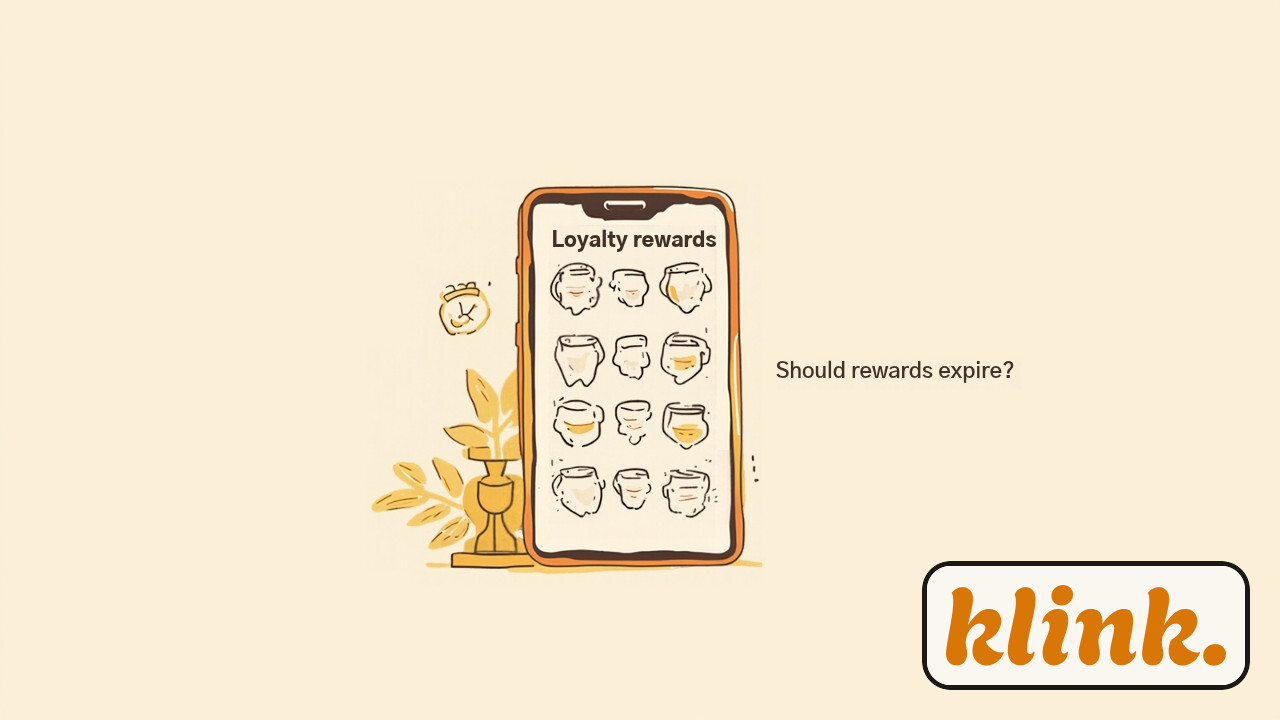
Digitalna kartica zvestobe v telefonu z vrsto žigov, ob kateri lebdi majhna peščena ura, v toplih jantarnih in kremnih barvah.

Prej ali slej si vsak lastnik lokala zastavi isto vprašanje: naj pečati in nagrade na kartici zvestobe kdaj potečejo? Dilema je razumljiva. Po eni strani vas skrbi, da boste čez leta razdajali brezplačne kave ljudem, ki so pri vas nazadnje bili pred dvema poletjema. Po drugi strani veste, kako se počuti stranka, ki ji na blagajni rečete: »Žal, vaši žigi so potekli.« Tisti obraz si zapomnite.

Dobra novica je, da odgovor ni »vse poteče« ali »nič ne poteče«. Ključ je v tem, da ločite dve stvari, ki ju večina ljudi vrže v isti koš — pa to res nista ista reč.

Dve različni stvari, ki lahko potečeta

Na kartici zvestobe se dogajata dve ločeni življenji. Prvo so pečati med potjo: stranka ima recimo štiri od desetih žigov in je nekje na sredini poti do nagrade. Drugo je že prislužena nagrada: stranka je zbrala vseh deset žigov in zdaj ima pravico do brezplačne kave, striženja ali kosila, a je še ni unovčila.

To nista ista stvar in ne zaslužita istega obravnavanja. Pečati med potjo so obljuba, ki je še ni izpolnila nobena stran. Prislužena nagrada pa je nekaj, kar si je stranka z obiski že zaslužila — in prav zato jo vzeti nazaj peče povsem drugače.

Pečati med potjo: raje jih ne ustavljajte

Za večino lokalov s stalnimi strankami — kavarno, pekarno, frizerski salon — je najpreprostejši in najboljši odgovor ta, da pečati med potjo ne potečejo. Celoten čar kartice zvestobe je občutek napredka: vidim, da sem pri sedmih od desetih, in to me vleče nazaj. Če ta napredek tiho izbrišete, strankinemu motivu izbijete tla izpod nog. Namesto da bi se vrnila po tri manjkajoče žige, začne razmišljati, čemu sploh zbirati, če lahko vse izpuhti.

Pri kavarni, kamor ljudje zahajajo tedensko, rok veljavnosti pečatov tako ali tako skoraj nikoli ne pride v poštev — redni gost desetega žiga ne doseže v letih, ampak v mesecu ali dveh. Rok torej ne prizadene nekoga, ki vas »izkorišča«, ampak povsem običajno stranko, ki je imela natrpan mesec. Kaznujete napačnega človeka.

Pečati med potjo so obljuba napredka. Ko jih izbrišete, ne pobrišete le žigov — pobrišete razlog, zaradi katerega se je stranka sploh vračala.

Izjema obstaja, a je ozka: če vodite posel z zelo redkimi obiski — recimo servis, kamor stranka pride enkrat na leto — ima zbiranje žigov čez več let malo smisla in blag »reset« po dolgi neaktivnosti je lahko upravičen. A tudi takrat velja pravilo: naj bo okno dolgo, pravilo jasno vnaprej in stranka opozorjena, preden kaj izgubi.

Prislužena nagrada: razumen rok je pošten

Pri že prisluženi nagradi je zgodba drugačna. Tu je razumen rok za unovčenje povsem pošten in celo koristen. Odprta, nikoli unovčena nagrada je za vas tiha obveznost, ki visi v zraku brez konca — in nekatere nagrade (sezonski izdelek, poseben meni) čez leto dni preprosto nimajo več smisla. Blag rok, recimo nekaj mesecev, poleg tega ustvari prijazno spodbudo, da stranka pride po tisto, kar si je zaslužila, namreč dokler je sveže.

Pomembno pa je, kako to naredite. Ko nekomu vzamete nekaj, kar si je že prislužil, to peče močneje kot karkoli drugega. Študija iz leta 2021 v reviji Journal of Services Marketing (Shin in Casidy) je pokazala, da se stranke na potek prisluženih točk odzovejo z več jeze kot na druge oblike izgube ugodnosti — občutek je, kot da jim nekaj vzamete, ne le da jim nekaj ne daste. Zato prislužene nagrade nikoli ne pustite tiho poteči v ozadju. Dajte ji pošten rok in se prepričajte, da stranka zanj ve, dovolj zgodaj, da lahko ukrepa.

Če se že odločite za rok, ga naredite pošteno

Če boste nagrade omejili z veljavnostjo, naj bodo pravila taka, da jih stranki ne bo treba razlagati z zadrego. Nekaj preprostih vodil:

Pošten rok na kratko

  • Pečatov med potjo ne brišite — napredek naj ostane, dokler ga stranka ne dokonča.
  • Rok dajte nagradi, ne poti — in naj bo radodaren, ne tednski.
  • Povejte vnaprej — rok naj bo zapisan na kartici, ne presenečenje na blagajni.
  • Opomnite pred potekom — kratko sporočilo nekaj dni prej spremeni potek v nov obisk.
  • Bodite dosledni — ista pravila za vse, brez izjem »na občutek«.

Zadnja točka je morda najbolj podcenjena. Nič ne nagrize zaupanja hitreje kot pravilo, ki za eno stranko velja, za drugo pa ne. Jasen, enak rok za vse je bolj pošten — in za vas lažji — kot nenapisano pravilo, ki ga vsakič razlagate na novo.

Kako to reši klink.

Pri klink. se o tem odločite sami in brez tehničnega zapletanja. Če želite, lahko pečate med potjo pustite, da ostanejo za vedno, nagradi pa določite rok za unovčenje — ali pa ne omejite ničesar. Ker se kartica v denarnici posodablja v realnem času, se vsaka sprememba tiho prikaže na kartici, ki jo stranka že ima, brez ponovnega nalaganja. In namesto da bi nagrada tiho poniknila, lahko stranki samodejno pošljete prijazno opozorilo, da ima nagrado, ki jo čaka — kar potek spremeni v razlog za vrnitev, ne v razočaranje.

Bistvo je preprosto: potek sam po sebi ni ne dober ne slab. Slabo je, ko stranko kaznuje za običajno življenje in jo preseneti na blagajni. Pošteno je, ko ščiti vas pred neskončno obveznostjo, stranki pa jasno in vnaprej pove, pri čem je. Ločite napredek od nagrade, bodite radodarni z rokom in opozorite, preden kaj poteče — in rok veljavnosti bo nekaj, kar stranke sprejmejo, ne nekaj, zaradi česar odidejo.

Če želite postaviti kartico zvestobe, kjer pravila o poteku delajo za vas, ne proti vam, preizkusite klink. brezplačno 14 dni in svojo prvo digitalno kartico oblikujete še danes — brez kreditne kartice.

Loyalty basics

Should loyalty stamps or rewards ever expire

November 9, 2026

A digital loyalty card in a phone showing a row of stamps, with a small hourglass floating beside it, in warm amber and cream tones.

Sooner or later every shop owner asks the same question: should the stamps and rewards on a loyalty card ever expire? The dilemma is understandable. On one hand, you worry about handing out free coffees years from now to people who last came in two summers ago. On the other, you know how it feels to tell a customer at the counter, "Sorry, your stamps have expired." You remember that face.

The good news is that the answer isn't "everything expires" or "nothing expires." The key is to separate two things most people lump together — because they really aren't the same thing at all.

Two different things that could expire

Two separate lives play out on a loyalty card. The first is stamps in progress: a customer has, say, four of ten stamps and is somewhere in the middle of the road to a reward. The second is an already-earned reward: the customer has collected all ten stamps and now has the right to a free coffee, haircut or lunch, but hasn't redeemed it yet.

These are not the same thing, and they don't deserve the same treatment. Stamps in progress are a promise neither side has yet kept. An earned reward is something the customer has already earned through visits — which is exactly why taking it back stings in a completely different way.

Stamps in progress: better left running

For most businesses with regulars — a café, a bakery, a hair salon — the simplest and best answer is that stamps in progress don't expire. The whole charm of a loyalty card is the sense of progress: I can see I'm at seven of ten, and that pulls me back. Quietly erasing that progress knocks the legs out from under the customer's motivation. Instead of returning for the three missing stamps, they start wondering why they should collect at all if it can all evaporate.

At a café people visit weekly, an expiry on in-progress stamps almost never comes into play anyway — a regular reaches the tenth stamp in a month or two, not in years. So the deadline doesn't hit someone who's "gaming" you; it hits an ordinary customer who had a busy month. You're punishing the wrong person.

Stamps in progress are a promise of progress. When you erase them, you don't just delete stamps — you delete the reason the customer was coming back in the first place.

There is an exception, but a narrow one: if you run a business with very infrequent visits — a service someone uses once a year, say — collecting stamps across several years makes little sense, and a gentle "reset" after long inactivity can be justified. Even then the rule holds: keep the window long, make the rule clear up front, and warn the customer before they lose anything.

An earned reward: a reasonable deadline is fair

With an already-earned reward the story is different. Here a reasonable redemption window is perfectly fair, and even useful. An open, never-redeemed reward is a quiet liability hanging over you with no end date — and some rewards (a seasonal item, a special menu) simply stop making sense a year later. A gentle deadline, say a few months, also creates a friendly nudge to come in for what you've earned while it's still fresh.

What matters is how you do it. Taking away something a person has already earned stings harder than almost anything else. A 2021 study in the Journal of Services Marketing (Shin and Casidy) found that customers react to earned points expiring with more anger than to other forms of losing a benefit — it feels like something is being taken from them, not merely withheld. So never let an earned reward quietly lapse in the background. Give it a fair deadline and make sure the customer knows about it early enough to act.

If you do set a deadline, make it fair

If you're going to put a time limit on rewards, make the rules the kind you won't have to explain with an apology. A few simple guidelines:

A fair deadline, in short

  • Don't erase stamps in progress — let progress stand until the customer finishes it.
  • Put the deadline on the reward, not the road — and make it generous, not a single week.
  • Say it up front — the deadline belongs on the card, not as a surprise at the counter.
  • Remind before it lapses — a short message a few days ahead turns an expiry into a fresh visit.
  • Be consistent — the same rule for everyone, no "by feel" exceptions.

That last point may be the most underrated. Nothing eats away at trust faster than a rule that applies to one customer and not another. A clear, equal deadline for everyone is fairer — and easier on you — than an unwritten rule you re-explain every time.

How klink. handles it

With klink. you decide this yourself, with no technical fuss. If you like, you can let stamps in progress stay forever and give only the reward a redemption deadline — or set no limits at all. Because the wallet card updates in real time, any change quietly appears on the card the customer already has, with no reinstalling. And instead of a reward silently vanishing, you can automatically send the customer a friendly heads-up that they have a reward waiting — which turns a deadline into a reason to return rather than a disappointment.

The bottom line is simple: expiry in itself is neither good nor bad. It's bad when it punishes a customer for ordinary life and ambushes them at the counter. It's fair when it protects you from an endless obligation while telling the customer clearly and in advance where they stand. Separate progress from reward, be generous with the deadline, and warn before anything expires — and an expiry becomes something customers accept, not something that drives them away.

If you'd like to set up a loyalty card where the rules on expiry work for you, not against you, try klink. free for 14 days and design your first digital card today — no credit card required.